
When a fire occurs, life safety systems such as fire alarms, emergency lighting, smoke control systems, and fire pumps must continue operating to protect occupants and support emergency response.
Behind all these systems is a critical but often overlooked component: the cable infrastructure that delivers power and transmits signals throughout the building. Even the most advanced fire protection systems cannot function if their supporting electrical circuits fail, making circuit integrity a fundamental consideration in modern building design and fire safety planning.
What Is Circuit Integrity?
Circuit integrity is the ability of an electrical circuit to continue operating during a fire for a specified period, ensuring critical systems remain functional during emergencies.
Typical applications include:
- Fire detection and alarm systems
- Emergency and escape lighting
- Voice alarm and public address systems
- Smoke control and ventilation systems
- Building monitoring and emergency control systems
Fire-resistant cables help maintain electrical continuity during fire exposure, keeping these essential systems operational when they are needed most.
How Fire-Resistant Cables Maintain Performance
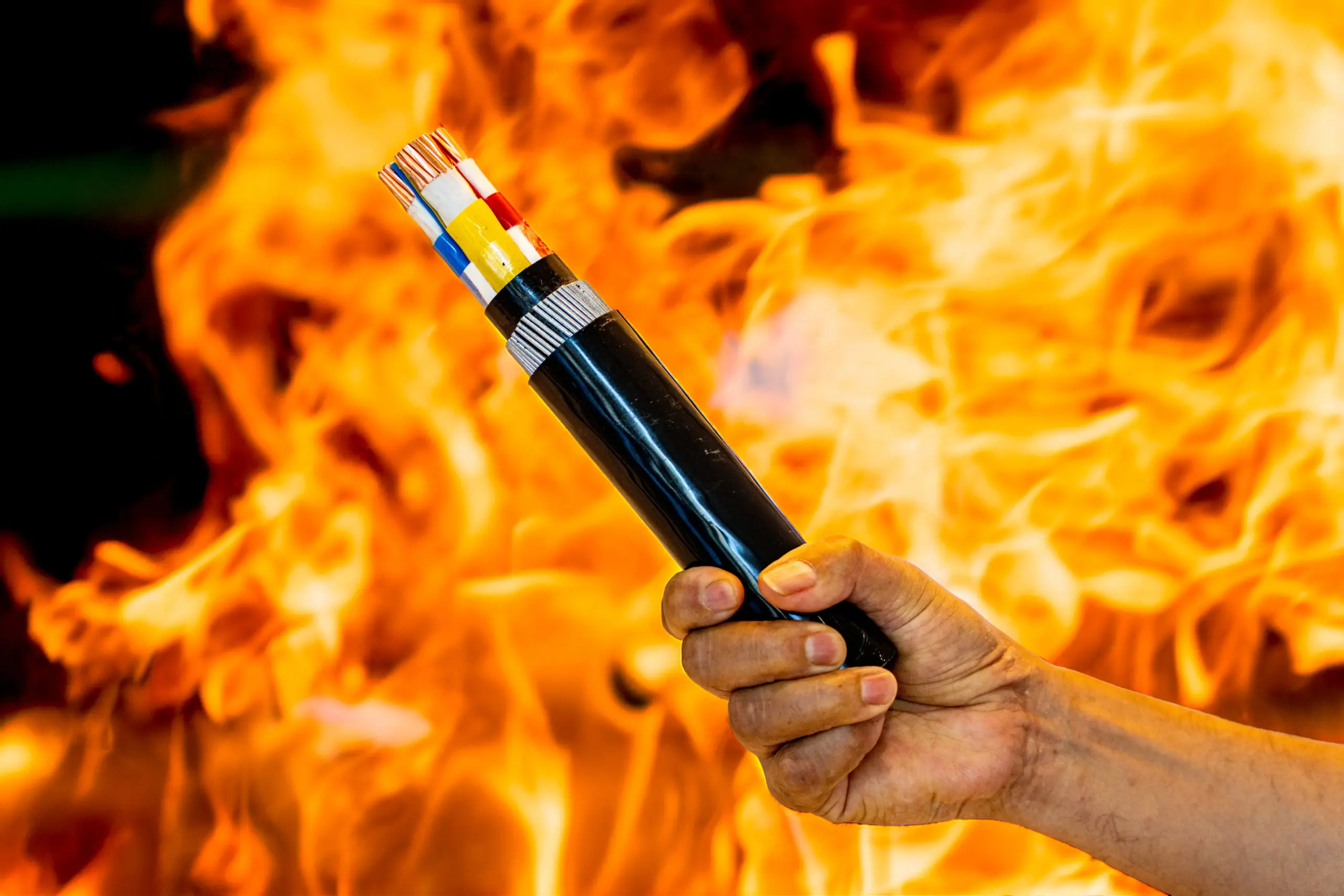
A cable’s ability to function during a fire largely depends on its construction. One of the most common solutions is a mica-based fire barrier around the conductor, which provides excellent thermal stability and electrical insulation to help maintain circuit continuity under fire conditions.
Depending on the application, fire-resistant cables also include:
- Fire-resistant insulation systems
- Low Smoke Zero Halogen (LSZH) materials
- Additional mechanical protection layers
Together, these elements help ensure the continued transmission of power, control, and communication signals while reducing smoke generation and corrosive gas emissions.
Circuit Survivability Is More Than Just the Cable
A common misconception is that specifying a fire-resistant cable alone guarantees circuit integrity. In reality, the performance of a life safety circuit depends on the entire installation, including supports, containment systems, fixings, terminations, and routing methods.
For this reason, modern fire engineering focuses on complete circuit survivability, ensuring the entire system remains operational throughout the required emergency period.
Testing and Standards
Fire-resistant cables are tested against internationally recognized standards to verify their ability to maintain circuit integrity under fire conditions.
Common standards include:
- IEC 60331 – Circuit integrity under fire conditions
- BS EN 50200 – Fire resistance for emergency circuits
- BS 8434 – Fire performance under fire, water spray, and mechanical shock
- IEC 61034 – Smoke density testing
- IEC 60754 – Halogen acid gas emission testing
The required level of performance depends on factors such as building occupancy, project risk assessments, local regulations, and the criticality of the systems being protected.
Choosing the Right Fire-Resistant Cable
Not all applications require the same level of fire performance. Standard fire-resistant cables are typically used in commercial buildings, residential developments, schools, and public facilities, while enhanced fire-resistant cables are specified for more demanding environments such as hospitals, airports, transport infrastructure, and high-rise developments.
For the most critical applications, Mineral Insulated (MI) cables provide exceptional resistance to fire, heat, moisture, and environmental stress, ensuring reliable performance under extreme conditions.
Key Considerations When Specifying Fire-Resistant Cables
Selecting a fire-resistant cable should involve more than simply choosing a product that meets a particular fire test standard.
Designers, consultants, and contractors should consider several factors during the specification process:
- The required fire resistance standard and duration for the project
- Building occupancy and expected evacuation times
- Whether enhanced performance under mechanical shock or water spray is required
- Smoke emission and halogen-free requirements
- Compatibility with local regulations and fire strategies
- The suitability of cable supports, fixings, and containment systems
A well-designed circuit integrity solution considers both the cable and the installation environment to ensure reliable performance under real fire conditions.